
Team Effectiveness
“We are not a team because we work together. We are a team because we trust each other.”
- Simon Sinek

Teams lose coherence when the conditions around them change: rapid growth, a merger or new ownership, a restructure. People arrive faster than shared ways of working can form. Decisions slow, tensions repeat, the conversations that need to happen don't. The work here is sustained and structured, not a one-day offsite. It makes visible what's blocking the team and rebuilds the alignment and accountability it needs to perform.
How it works
Engagements typically run six to twelve months. We begin with a diagnostic phase — individual conversations with team members, structured observation, and where relevant, psychometric tools including Belbin, Lumina, and EQ-i 2.0 360.
From there, team sessions are spaced to allow work to happen between them. The rhythm and format adapt to what the team needs — not a fixed programme applied from the outside. Where coaching is commissioned by an organisation, we establish clear contracting with both the sponsor and the team before work begins.
Belbin’s methodology

Provides insights into personality, understand strengths, and identify potential areas for development.
Lumina Spark
Provides insights into personality, understand strengths, and identify potential areas for development.
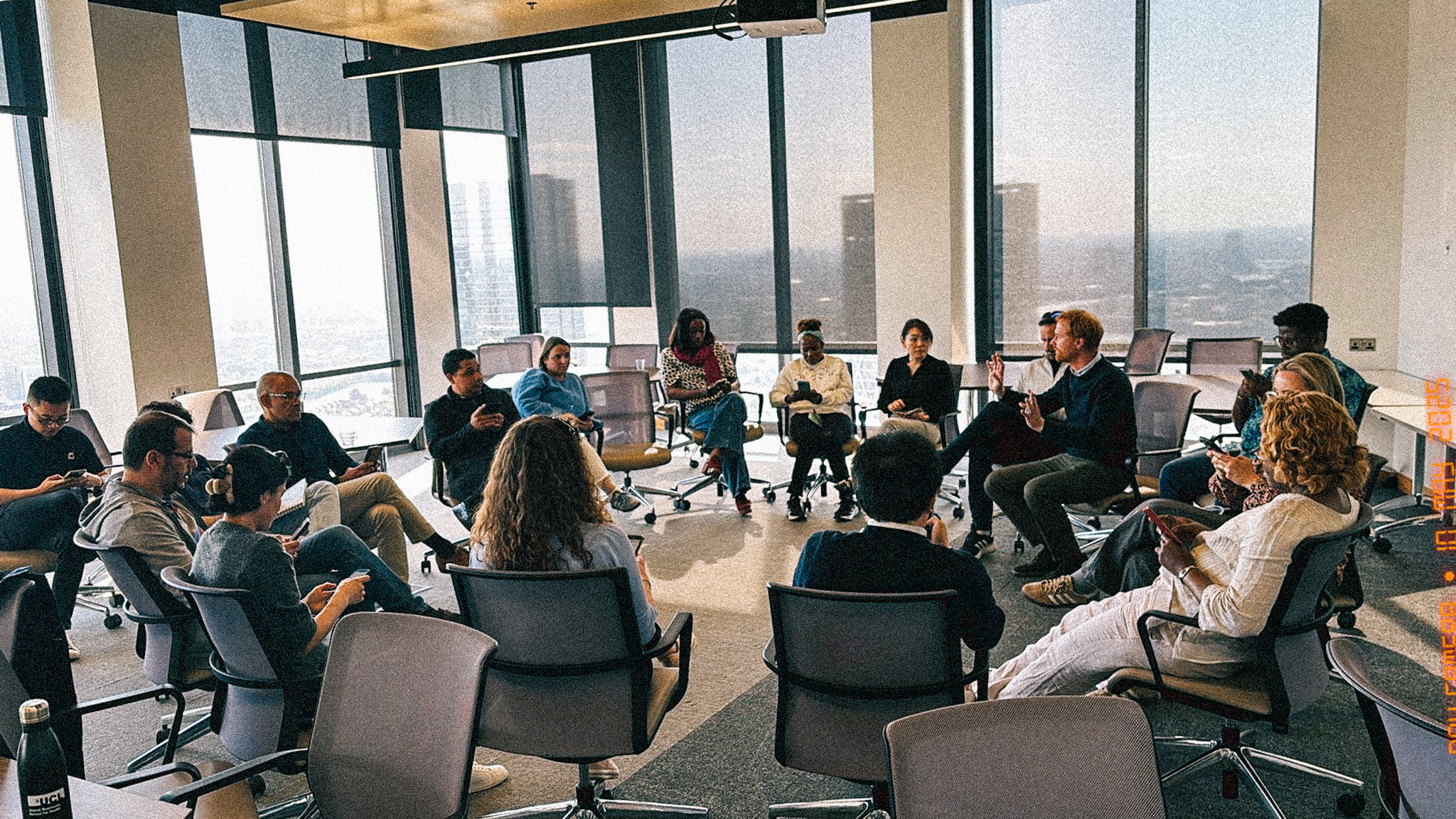
To ground the work, I use tools that reveal how people show up—individually and together. Belbin helps map the roles people naturally take on. Lumina Spark adds depth, showing how personality patterns shape the team’s dynamic.
These aren’t just diagnostics—they’re conversation starters. They help us see strengths, blind spots, and the space in between. From there, we design a coaching process that fits the team—not a model, but the people in the room.

Lumina Spark
Reveals your personality's dynamic, offering a comprehensive understanding of your behaviour and work style.

Belbin Team Roles
Specializes in assessing team roles and dynamics, identifying how individuals can best contribute to team success and cohesion.
Hogan assessment

Provides insights into personality, understand strengths, and identify potential areas for development.
Korn ferry ESCI
EQ-2.0
Lumina Spark
360-Degree Feedback
Length of intervention and tangible outcomes
I offer tailored packages to meet your team’s specific needs.
A focused diagnostic and a small number of sessions, to address an immediate issue and set a clearer direction. In a short engagement, a team can expect to:
Get a clear, shared read on what's actually slowing the team down
Surface the tensions and assumptions that aren't being said out loud
Agree practical first steps, and how to hold to them
Sustained work over several months, reaching the relational and behavioural dynamics underneath performance. In a longer engagement, a team can expect to:
Work through recurring conflict and the patterns that keep restarting it
Rebuild trust, clarity of roles, and the way decisions get made
Establish ways of working the team can sustain after the engagement ends
What make this different
Most team interventions focus on process: better meetings, clearer roles, sharper goals. Those things matter. But they rarely reach the deeper patterns — the unspoken hierarchies, the conflict loops that restart despite good intentions, the assumptions that go unexamined because challenging them feels too costly.
The work here goes beneath process. It addresses the relational and behavioural dynamics that determine whether a team actually functions as one.I hold the ICF Advanced Certification in Team Coaching (ACTC) — one of the most demanding credentials in the field, requiring evidence of sustained team coaching practice and systemic competence.

Every team effectiveness engagement starts with a conversation. If something in what you've read resonates, get in touch and we'll talk through what's happening and whether this approach is the right fit.
let's connect


