The Growing Seed

The rigour of science. The honesty of coaching.

“Attention is the rarest and purest form of generosity.”
— Simone Weil

The icon of a tree

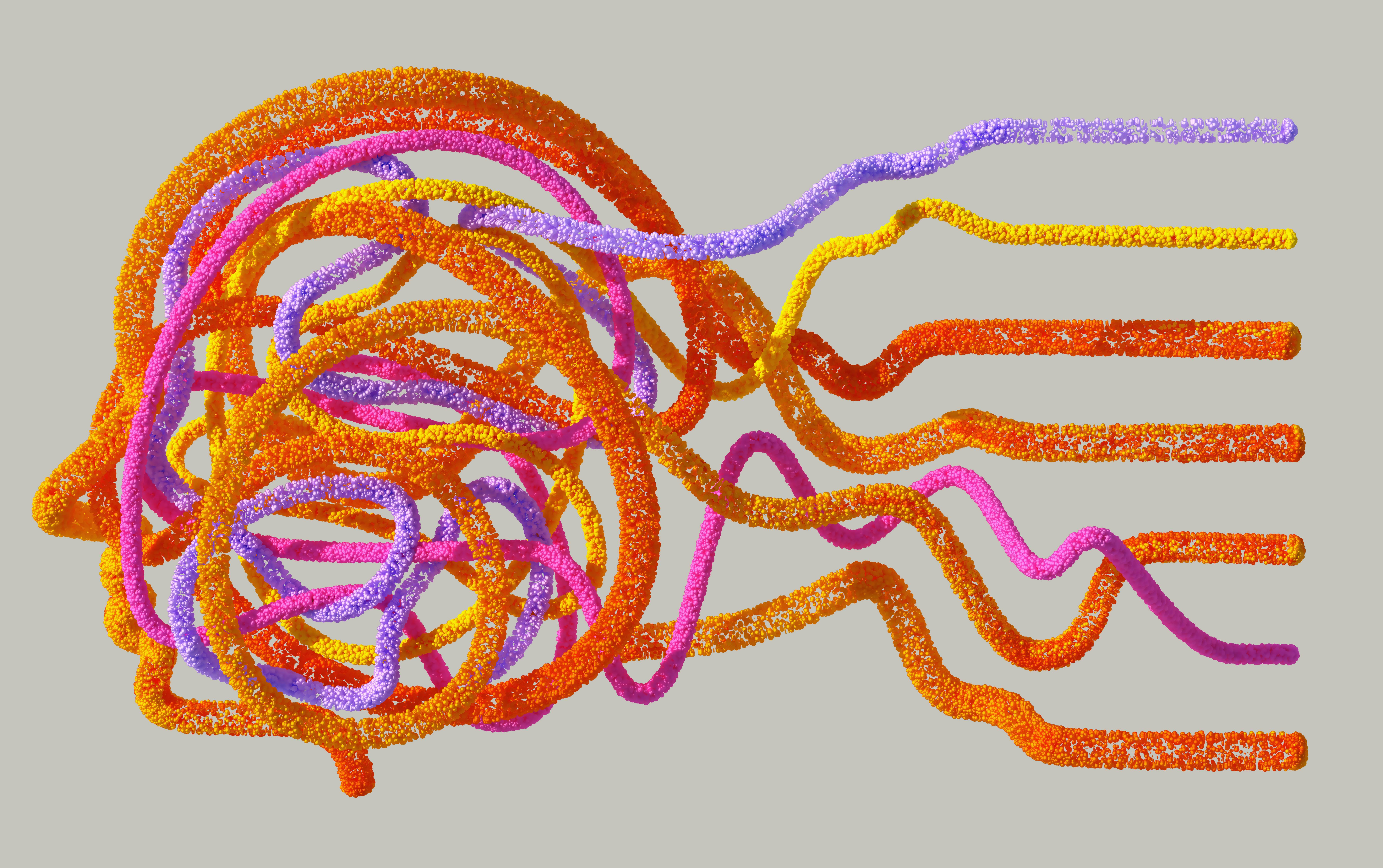
One idea sits underneath everything here. The behaviour that limits a leader or a team is rarely a skills gap. It's a pattern doing a job, usually protecting against something, and it lives below the surface where most development never reaches.

My work is about reaching that level and making it visible, so people can choose differently. The five elements below aren't separate techniques.

They're ways into the same question, asked from different angles: what's actually driving this, and what would it take to shift it? In practice they overlap, and the balance changes with what each person or team needs.

1- Emotional Intelligence (EQ)

The emotions we return to — often without noticing — shape how we lead, how we connect, and how we make decisions. Patterns of anxiety, avoidance, or overcontrol don't disappear under pressure. They intensify.
In coaching, we explore what's beneath your responses: what you feel, how you interpret events, and why you react the way you do in moments that matter. Using tools like EQ-i 2.0, we build a clear picture of your emotional profile — and work from there.The goal isn't emotional management. It's the kind of self-awareness that makes better choices possible.

Emotion is one way in. The reaction you can't quite account for is usually the pattern showing itself before you've had the chance to choose.

Online coaching
thoughts and actions

2- Cognitive behavioural coaching

Most leaders are running on stories — about what's expected of them, what failure means, what they're allowed to ask for. Many of those stories are invisible until something goes wrong.
Cognitive behavioural coaching helps you notice the patterns of thinking that shape your decisions and relationships. It's a practical, focused approach — particularly useful for analytical minds dealing with complexity, ambiguity, or transitions where old habits stop working.

Thought is the other obvious route. Name the story you didn't know you were running, and the behaviour it drives stops being automatic.

3- Neuroscience & Behavioural Change

The brain changes through experience, reflection, and repeated action. This isn't a metaphor — it's the mechanism by which lasting change happens.
Understanding how your brain responds to threat, uncertainty, and social pressure can shift how you lead in those moments. It opens space for choices that previously felt unavailable — not through willpower, but through a clearer picture of what's actually happening.

Here the same pattern is reached through the body. Once you can see your own threat response for what it is, it loses some of its grip.

emotional patterns
evidence-based change

4- Psychometric Assessment

Data gives us a shared language. Tools like the Leadership Circle Profile, Hogan, and EQ-i 2.0 surface patterns — how you lead under pressure, how others experience you, where your strengths serve you and where they quietly work against you.
Assessment isn't the work. It's the starting point — a way of grounding the conversation in something more reliable than impression and more honest than self-report alone. I hold practitioner qualifications in Leadership Circle Profile, Hogan (HPI, HDS, MVPI), EQ-i 2.0, Korn Ferry ESCI, Lumina, and Belbin.

Data does the same job from the outside. It puts the pattern on the table in a form that's harder to dismiss than impression or self-report.

5- Experiential & Systemic Methods

Some of the most useful work happens outside the coaching conversation. I draw on experiential methods — including LEGO Serious Play and structured group processes — to surface dynamics that are hard to reach through dialogue alone.
For teams in particular, working through a shared task often reveals more in thirty minutes than a structured debrief does in two hours. The method follows what the work needs, not a fixed formula.

And some patterns only appear in motion. Put people into a shared task and the dynamic surfaces in real time, which is why this matters most with teams.

try the growing seed ai chat by chat gpt
Enhancing Coaching

Who this is for

The leaders I work with tend to be senior, experienced, and already successful, which is often why the patterns are hard to see. I work with their teams too: groups that have grown, merged, or restructured and need to find their footing again. What they share is that they're not looking for motivation or borrowed frameworks. They want rigour, honesty, and a thinking partner who won't just reflect their assumptions back at them.
Book a free call